Quartz Countertop Color for Hiding Crumbs in Riverside
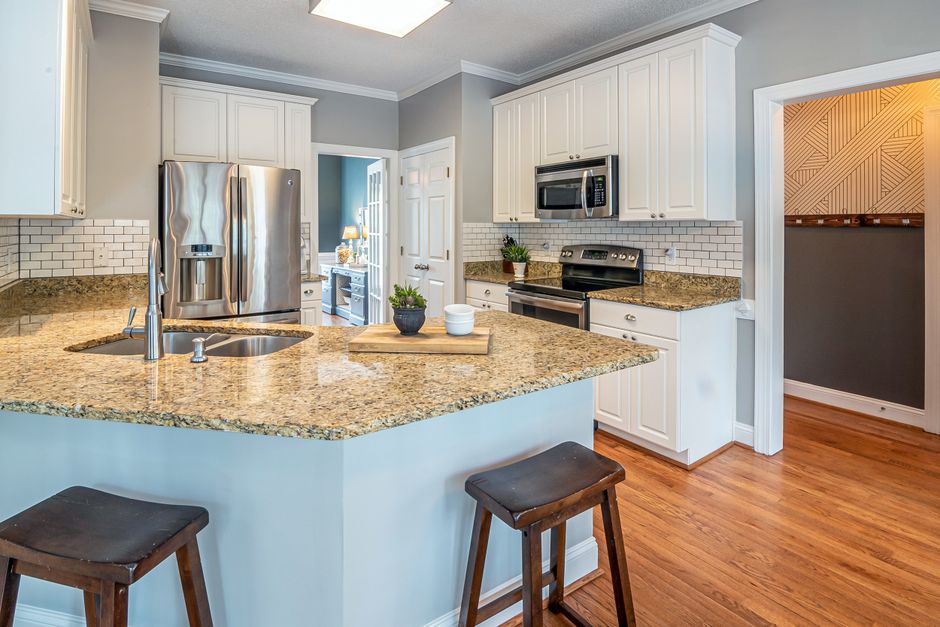
A mid tone quartz with a small, mixed speckle in a polished finish hides crumbs and everyday wear better than any other combination. Greige, warm gray and light taupe bases with fine light and dark flecks show the least mess, while solid black and solid bright white show the most. In Riverside, where dry air, windborne dust and mineral-heavy tap water all leave their mark, those choices matter even more.
Start With Pattern, Then Pick the Color
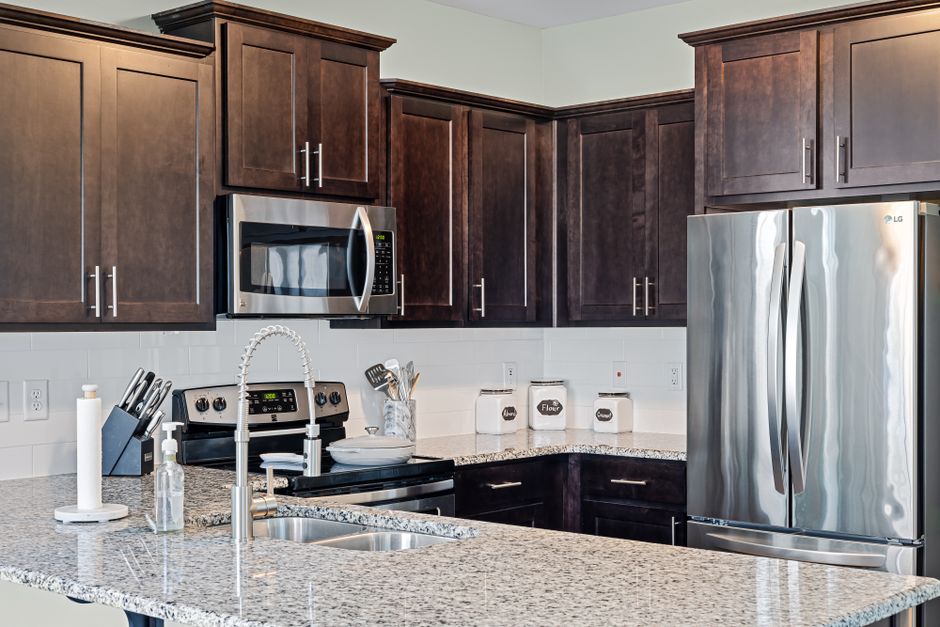
Pattern does more work than color. A busy, multi-toned speckle or fine aggregate breaks up the eye, so a scatter of toast crumbs or coffee grounds disappears into the surface. A solid, uniform slab gives debris nowhere to hide, no matter how pretty the shade looks in the showroom.
Crumbs are usually light or medium in color, and coffee grounds and pepper are dark. A slab that mixes light and dark flecks camouflages both. That is why mid tone speckle beats both extremes.
Match the Ffleck Size to Your Mess
Small to medium flecks in mixed tones work best against bread crumbs and grounds. Very large flecks or chips can backfire, because small debris becomes easier to spot in the gaps between them. When you compare samples, look at the scale of the pattern, not just the base color.
Why Dark Solid Slabs Are the Hardest to Keep Clean
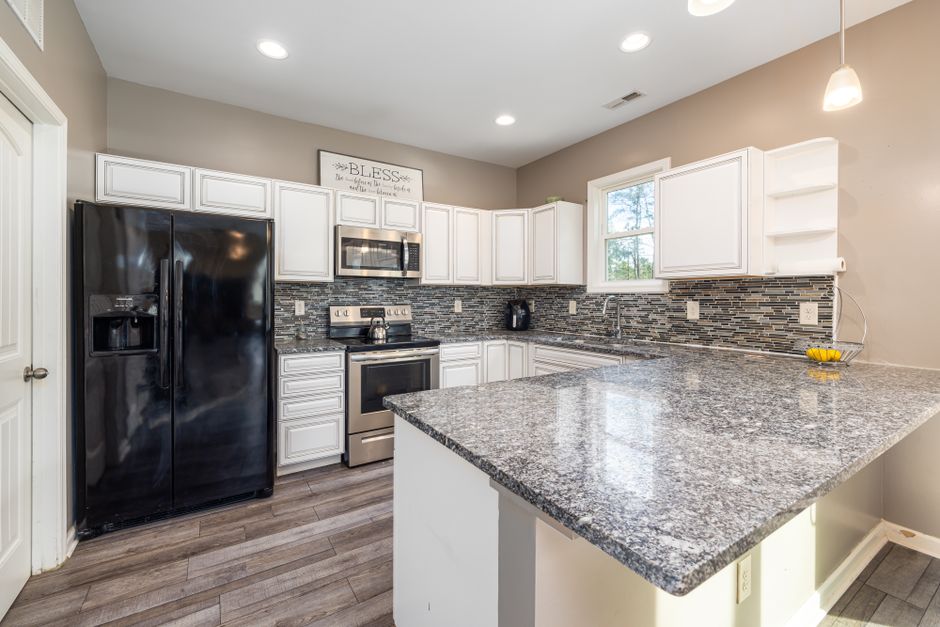
Black, charcoal and navy solids are often assumed to hide everything. They do not. They show dust, fingerprints, dried water rings and every crumb. In Riverside, dry air and the dust that blows in during Santa Ana wind events can leave a visible film on a dark polished top within a day.
Light also works against dark polished tops. Low afternoon sun through a west or south facing window, common in Riverside kitchens, rakes across the surface and reveals swirl marks and fine scratches. Lighter slabs hide that wear far better.
Why Pure White Solids Struggle Too
Flat bright white shows spills and grease, and it shows stains and discoloration first. Turmeric, tomato sauce, red wine, coffee and some oils can leave marks if they sit. Quartz resists stains, but resistance is not immunity.
Off white with some movement or speckle is the better choice. It hides a faint shadow far more gracefully than a flat bright white.
Marble Look Quartz as a Middle Ground
A soft white base with gray veining can work well. The veining hides minor marks and crumbs along the vein lines. Wide plain white areas between the veins still show spills, though.
Judge this on a full slab, not a small chip. Ask how much open white space will land on your island, since that is where the daily mess collects.
Hard Water Is a Local Factor
Inland Empire tap water carries a lot of dissolved minerals. Dried drips leave white rings around the sink and faucet. Those rings are easy to see on dark and medium dark slabs and nearly invisible on light speckled ones.
No color makes hard water spots vanish. The practical fix is to wipe the sink zone dry after use, or choose a lighter speckled slab if the sink area is the busiest part of your kitchen.
Polished or Matte
A honed or matte finish shows fingerprints, oil marks and metal scuffs more than polished. Pots, keys and ceramic bottoms can leave gray marks on matte surfaces. These usually clean off with a nonabrasive cleaner, but they need attention more often.
Polished finishes hide those marks better. The tradeoff is that polished dark colors show dust and water spots. For a busy household, polished plus mid tone speckle is the safest pairing.
Choose Around Your Cabinets and Floors
The counter should not become the focal point. In many Riverside tract homes and mid century ranch houses with oak or light wood cabinets, a warm greige speckle blends in and hides debris. A stark contrast counter draws the eye, and with it every crumb.
Think About the Backsplash Zone
Grease and splatter behind the cooktop show on solid light quartz. A patterned slab or a tile backsplash hides splatter better between cleanings.
Test Samples With Real Mess
Take samples home and look at them where the counter will go. Check them in morning light, late afternoon light and under your kitchen fixtures at night. Riverside's strong, bright sun can wash out pale tones and make warm bases look yellow or pink, so a sample that looks perfect under showroom lights may read differently at home.
Then run a simple test on each sample:
- Sprinkle crumbs, coffee grounds and flour.
- Add a few drops of water and let them dry.
- Stand back at normal standing distance.
The sample where you have to look hardest to find the mess is your daily use winner.
Practical Details That Affect How Wear Shows
Edges
Square or very sharp edges chip more easily from pot and dish impacts. A chip shows more on dark slabs because the exposed inner material can look lighter. An eased or slightly rounded edge holds up better near the sink and dishwasher.
Seams
Seams are less visible on busy patterns, and a good fabricator can blend them on speckled or uniform designs more easily. Long linear veining has to be matched across the seam, and a mismatch stays obvious for the life of the counter. Ask to see the seam layout before anything is cut.
Slab Consistency
Different production batches of the same color can vary slightly. If your job needs more than one slab, ask to see the actual slabs or confirm they come from the same lot, so one section does not look different from the rest.
Sun and Heat Limits That No Color Fixes
Quartz uses resin binders, and long direct UV exposure can fade or yellow it, especially white and light tones. That matters for counters right under large unshaded windows. It also matters for covered patios and outdoor kitchens, which are common in Riverside backyards. Most quartz is sold for indoor use only, so check the maker's guidance before using it outside.
Heat is the other limit. Hot pans and slow cookers can scorch or discolor the resin, and a burn ring is permanent. It is especially visible on white and pale gray. Quartz is not heatproof, and no color hides heat damage, so use trivets every time.
Care Habits That Keep Any Color Looking Good
Cleaning habits matter more than the shade you pick. A daily wipe with warm water and mild dish soap, followed by drying, keeps any color looking right.
- Avoid bleach, oven cleaner, strong alkaline or acidic cleaners and abrasive pads. They can dull the resin and make wear show sooner.
- Skip sealers and polishes. Quartz does not need sealing, and topical products can leave a cloudy or streaky film that is most visible on dark slabs.
The Short List for a Busy Riverside Kitchen
Families with kids and heavy cooking schedules do best with a mid tone, multi color speckle in a polished finish, in a warm greige or light taupe base. Owners who love a very dark or very white solid look can absolutely have it, but should plan to wipe more often and accept that daily wear will show.
Bring home samples, test them with real crumbs and water drops, view them in your own light, and let the slab that hides the mess best make the decision.